Introduction
In the world of Direct Support Professionals (DSPs), adaptability is key. Just like snowflakes, no two individuals are alike, and that uniqueness demands a tailored approach. Whether you're working with someone who has developmental disabilities, mental health issues, or simply requires assistance in daily living activities, understanding their distinctive needs is paramount.
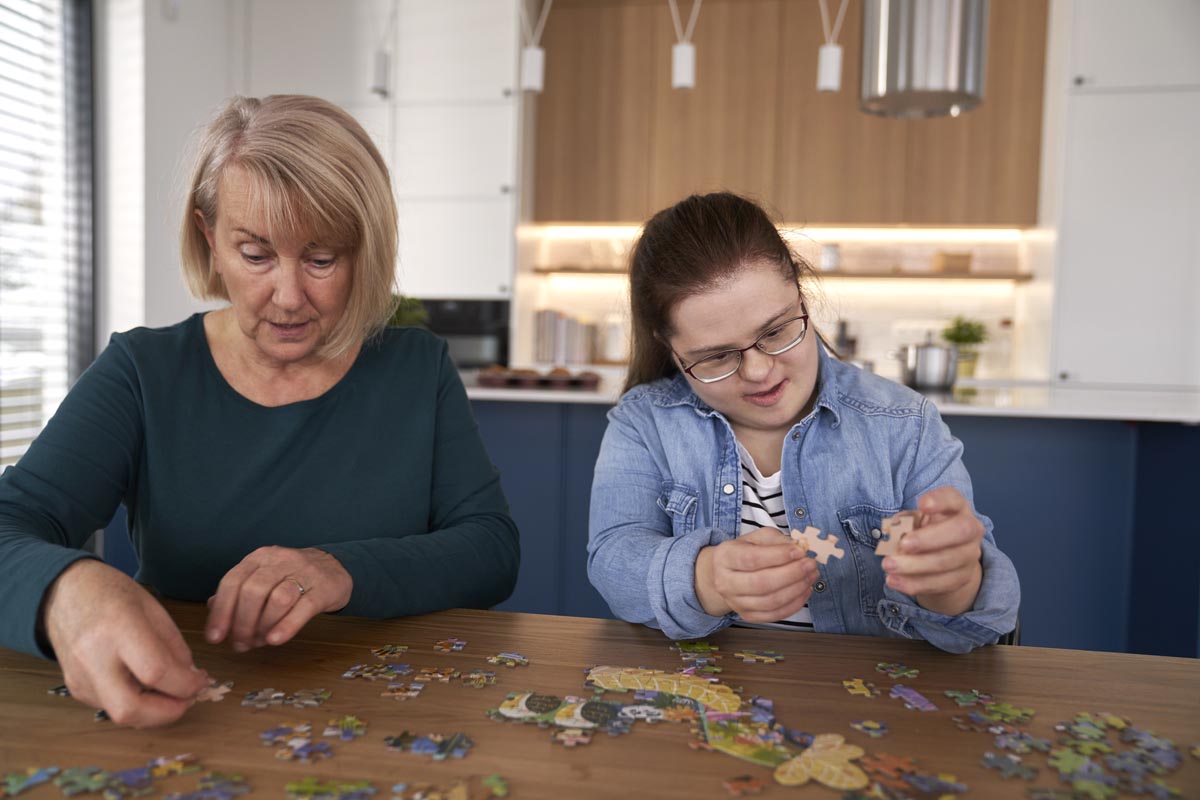
This article explores various strategies and methodologies I've developed over my years as a Direct Support Professional to ensure that each individual I support receives the best care possible. From communication styles to activity adaptations, we'll dive into how to create meaningful connections and foster independence while respecting each person's individuality.
How I Adapt My Approach for Each Unique Individual
As a Direct Support Professional, adapting my approach to fit each unique individual is essential to providing effective support. This means understanding their personal history, preferences, and challenges. Every interaction becomes an opportunity to learn more about what works for them and what doesn't.
One of the first steps I take is conducting a comprehensive assessment. This involves not only looking at medical history but also taking into account the person’s social background, interests, and goals. By gathering this information upfront, I can better tailor my methods of communication and support.
Understanding Individual Needs
Personal Assessments: The Foundation of Care
How do Direct Support Professional esoregon.com we know what someone needs? It all starts with assessments. These aren't just forms to fill out; they are vital tools that provide insight into an individual's life. During these assessments, I ask open-ended questions that encourage discussion rather than simple yes or no answers.
For example:
- What activities do you enjoy? Are there any specific challenges you face daily? What are your long-term goals?
These questions help me understand their aspirations and barriers.
Creating a Personalized Plan
Once I've gathered enough data through assessments, the next step is crafting a personalized support plan. This isn't a one-size-fits-all template; instead, it’s customized based on what I've learned about the individual.
| Aspect | Considerations | |-----------------------------|-----------------------------------------------------| | Interests | Hobbies or activities they enjoy | | Communication Style | Preferred methods (verbal, visual aids) | | Daily Routines | Morning vs. evening preferences | | Social Interactions | Comfort levels in group settings |
The above table showcases some aspects I consider when drafting a personalized plan.
Communication Styles: Adapting for Better Engagement
Verbal vs. Non-Verbal Communication
Some individuals may respond better to verbal communication while others may prefer non-verbal cues. As a DSP, it’s essential to gauge which method works best for each person.
For instance:
- If someone struggles with verbalizing their thoughts due to anxiety or speech impairments, using visual aids like pictures or written prompts can be beneficial. On the flip side, if an individual enjoys chatting and sharing stories, engaging them through conversation can help build rapport.
Active Listening: The Key to Connection
Listening goes beyond just hearing words; it's about understanding emotions behind those words. Active listening involves nodding along, maintaining eye contact, and paraphrasing what the individual has said to confirm understanding.
"Listening is an art that requires attention over talent." - Robert Frost
By practicing active listening techniques, I can adapt my responses based on the emotional context of our conversations—offering empathy when necessary or encouragement during challenging times.
Building Trust: A Cornerstone of Adaptation
Establishing Rapport Quickly
Trust doesn’t happen overnight; it takes time and effort. However, some strategies can expedite this process:
Consistent Presence: Being reliable shows individuals they can count on me. Honesty: Transparent discussions about expectations foster trust. Empathy: Expressing genuine concern helps create emotional bonds.Once trust is established, individuals are more likely to engage openly with me about their preferences and needs—allowing me to further refine my approach.
Respecting Boundaries
Every person has different comfort levels regarding personal space and privacy. As a DSP:
- It’s vital to ask before invading personal space. Always respect an individual's right to say no; this empowers them in decision-making processes.
When people feel respected in their boundaries, they're more likely to open up about their unique needs.
Adjusting Activities Based on Preferences
Interest-Based Activities
When planning activities for individuals under my care as a Direct Support Professional:
- Consideration of interests plays a pivotal role. For example: If someone loves gardening but finds traditional outdoor activity daunting due to mobility issues, adapting could mean starting with indoor plants or raised garden beds that require less bending down.
Adapting activities ensures they remain engaged without feeling overwhelmed.
Flexibility in Scheduling Tasks
Another way I adapt my approach is by being flexible with scheduling tasks based on when individuals feel most energetic or focused throughout the day:
| Time of Day | Typical Energy Levels | |-----------------------|-------------------------------| | Morning | High energy for some | | Afternoon | Varied energy levels | | Evening | Low energy for many |
Recognizing these patterns allows me not only to adjust tasks accordingly but also helps promote independence by encouraging individuals to take charge of their schedules!
Using Technology as an Aid for Individualization
Assistive Technologies: Enhancing Communication & Independence
Technology can be an incredible tool in supporting unique needs! Tools like speech-to-text software assist those with communication challenges while mobile applications enable reminders for daily tasks—making it easier for individuals to manage themselves independently!
For instance:
- Someone who struggles with memory might benefit from setting alarms on their phone. Visual scheduling apps can help break down complex tasks into manageable steps visually!
This customization enhances not just independence but also confidence!
Crisis Management Techniques Tailored Individually
Recognizing Triggers Before They Escalate
Understanding triggers—those specific situations that might lead someone into distress—is crucial in crisis prevention:
What do we do when we see signs of distress?
Before reaching boiling points during stressful scenarios,
Identify potential triggers by observing behavioral patterns Create tailored de-escalation plans relevant specifically for each person involved Ensure calming strategies reflect individual preferences (e.g., listening to music versus going outside)By preparing ahead of time through thorough assessments!
Prevention beats intervention every single time!
Continuous Learning: Staying Updated on Best Practices
Embracing Feedback from Individuals
Feedback loops aren’t just useful—they're essential! After implementing new strategies or activities aimed at improving quality-of-life experiences—I actively seek feedback from individuals themselves:
1) What worked well? 2) What didn't work? 3) Are there alternative approaches they'd prefer?
Through this dialogue-driven process involving shared input—the possibility of adaptation grows exponentially!
FAQ Section
Q1: What does being a Direct Support Professional entail?
A1: A Direct Support Professional provides assistance and guidance primarily focused on helping individuals with disabilities gain independence in daily living activities while ensuring emotional support through meaningful interactions.
Q2: Why is personalization important as a DSP?
A2: Personalization recognizes the uniqueness inherent within every individual—fostering trustful relationships while enhancing effectiveness across various domains including communication styles & activity engagement!
Q3: How often should assessments be conducted?
A3: Regular assessments—ideally every 6 months or sooner depending upon significant changes—ensure continuous alignment between provided support & evolving individual needs!
Q4: Can technology replace human interaction?
A4: No! While technology acts as an aid—it cannot substitute for genuine human connection formed through empathy & understanding which remains central within direct support roles!

Q5: What if someone resists change?
A5: Resistance often stems from fear; therefore introducing gradual modifications paired alongside consistent reassurance proves beneficial until comfort levels rise towards adopting new approaches/strategies over time!
Q6: How do you measure success in your role?
Conclusion
Adapting my approach as a Direct Support Professional isn’t merely optional; it’s imperative! Recognizing individuality within every single person fosters not just increased independence but also enriches emotional well-being overall!
Through thoughtful evaluations combined alongside active engagement strategies revolving around trust-building efforts—the path toward successful outcomes widens significantly!
Remember—the journey may look different for everyone—but embracing differences makes all the difference!